
Lab-Made Cartilage Gel Outperforms the Real Thing


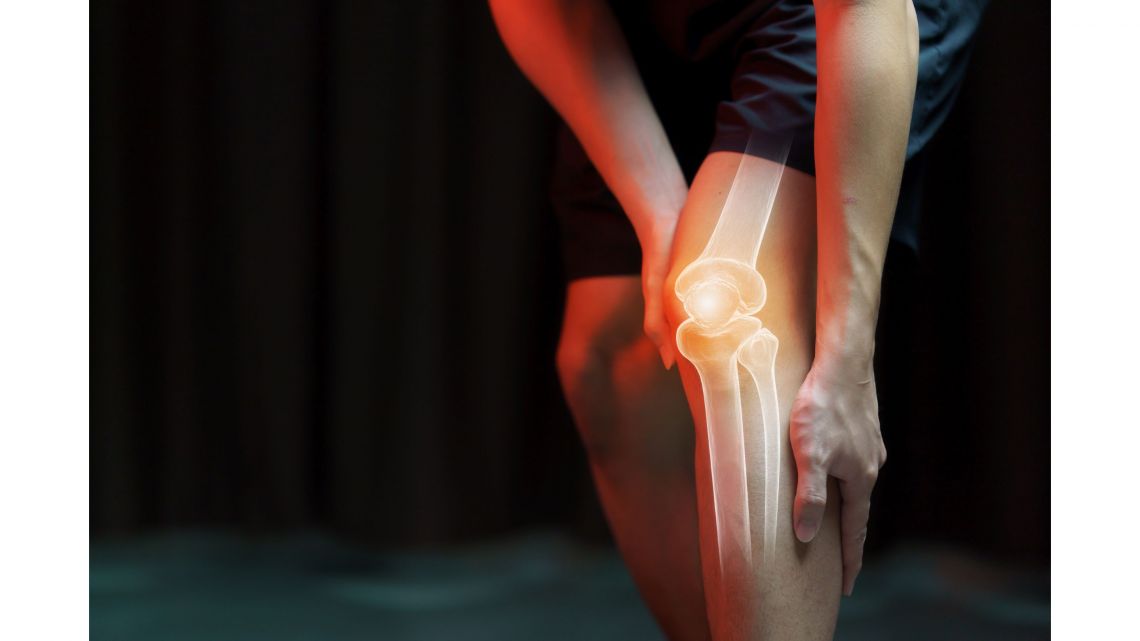
Duke researchers have developed a gel-based cartilage substitute to relieve achy knees that’s even stronger and more durable than the real thing. Clinical trials to start next year. Credit: Canva

Researchers at Duke University developed a gel-based cartilage substitute that is stronger and more durable than natural cartilage, offering a potential new treatment for knee pain caused by osteoarthritis.

And although it is not available commercially, human clinical trials have started. For information on the clinical trials available, you may comment below or contact the YouRise team.

This hydrogel, made from water-absorbing polymers, is designed to withstand more force and resist wear better than natural cartilage. The gel, developed with a polymer called polyvinyl alcohol and cellulose fibers, mimics the strength and flexibility of real cartilage.

Unlike traditional knee replacements, this hydrogel could offer a less invasive solution for patients, particularly younger ones, by replacing only the damaged cartilage rather than the entire joint. The team also addressed challenges in securely attaching the gel to the joint, ensuring it stays in place and functions effectively without damaging surrounding tissue. This breakthrough could significantly improve treatment options for osteoarthritis sufferers, providing a durable and effective alternative to knee replacement surgery.

CITATION: “A Synthetic Hydrogel Composite With a Strength and Wear Resistance Greater Than Cartilage,” Jiacheng Zhao, Huayu Tong, Alina Kirillova, William Koshut, Andrew Malek, Natasha Brigham, Matthew Becker, Ken Gall, and Benjamin Wiley. Advanced Functional Materials, Aug. 4, 2022. DOI: 10.1002/adfm.202205662

Related posts

  • 10 Most Common Traits Found In Depressed People

    10 Most Common Traits Found In Depressed People

    Depression is frequently misunderstood as simply feeling “very sad.” In reality, chronic depression—clinically recognized as Major Depressive Disorder (MDD) or Persistent Depressive Disorder (Dysthymia)—is a complex neurobiological condition that impacts every facet of a person’s existence. It is not a choice, a character flaw, or a state of mind that someone can simply “snap out…

  • 10 Tips On How To Raise An Autistic Child

    10 Tips On How To Raise An Autistic Child

    10 Essential Tips on How to Raise an Autistic Child: A Comprehensive Guide Parenting is a journey filled with unique milestones and unexpected turns. When you are raising an autistic child, that journey often requires a different roadmap—one paved with radical patience, specialized communication, and a deep commitment to seeing the world through your child’s…

  • How Chronic Tinnitus Becomes Hardwired in the Brain

    How Chronic Tinnitus Becomes Hardwired in the Brain

    For the vast majority of people, tinnitus begins as a fleeting ghost. It is the ringing in the ears after a loud concert, the dull hum following a bout of the flu, or the momentary whistle that vanishes as quickly as it arrived. But for a significant portion of the population, that ghost doesn’t leave.…

Leave a Reply

Your email address will not be published. Required fields are marked *